
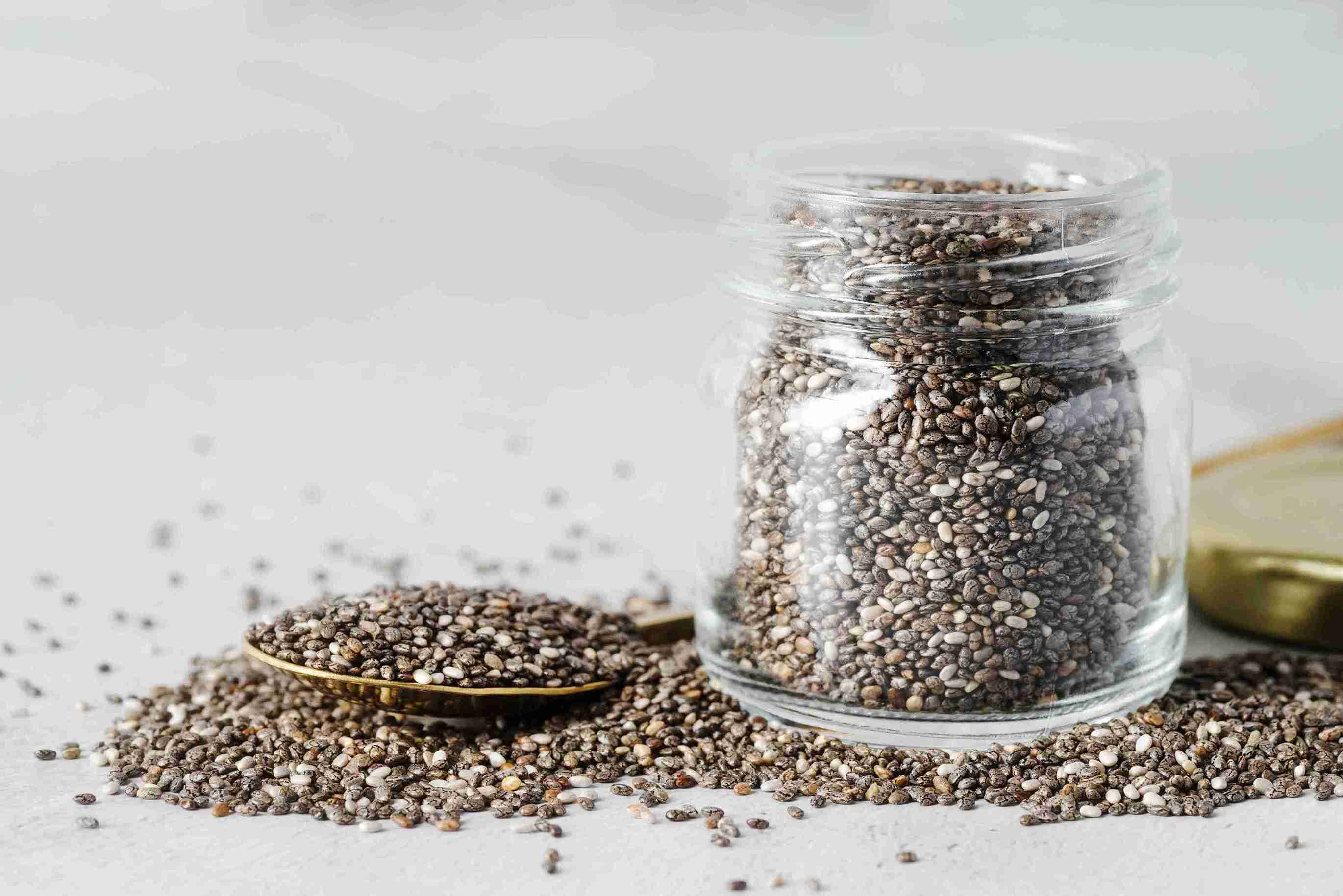
Chia seeds have become a staple in modern health and wellness diets, praised for their impressive nutritional profile and versatility. Once a key food source for ancient civilisations, these tiny seeds are now widely used in smoothies, breakfasts, and plant-based recipes around the world. Despite their small size, chia seeds pack a powerful punch, offering a range of health benefits supported by nutritional science.
This article explores what chia seeds are, their health benefits, nutritional value, and practical ways to incorporate them into your daily diet.
What Are Chia Seeds?
Chia seeds come from the Salvia hispanica plant, native to Central and South America. Historically, they were consumed by the Aztecs and Mayans, who valued them for sustained energy and endurance. In fact, the word “chia” is believed to mean “strength” in the Mayan language.
Today, chia seeds are recognised as a superfood due to their high levels of fibre, omega-3 fatty acids, protein, and essential minerals. They are naturally gluten-free and suitable for a wide range of dietary preferences, including vegan and vegetarian diets.
Nutritional Profile of Chia Seeds
Chia seeds are nutrient-dense, meaning they provide a significant amount of nutrients relative to their calorie content. A small serving contains fibre, protein, healthy fats, and key micronutrients such as calcium, magnesium, and iron.
They are particularly notable for their omega-3 fatty acid content, which supports heart and brain health. Chia seeds also contain antioxidants, which help protect cells from oxidative stress and inflammation.
Health Benefits of Chia Seeds
One of the most well-known benefits of chia seeds is their support for digestive health. Their high fibre content helps promote regular bowel movements and supports a healthy gut microbiome. When soaked, chia seeds form a gel-like texture that aids digestion and helps keep you feeling full for longer.
Chia seeds may also support heart health by helping to regulate cholesterol levels and reduce inflammation. The combination of fibre, omega-3 fats, and antioxidants contributes to improved cardiovascular function when included as part of a balanced diet.
Chia Seeds and Weight Management
Chia seeds are often associated with weight management due to their ability to promote satiety. When consumed with liquid, they expand in the stomach, helping to reduce appetite and prevent overeating. This makes them a popular addition to breakfast meals and snacks.
While chia seeds alone are not a weight-loss solution, they can support healthy eating habits when combined with nutrient-rich foods and an active lifestyle.
Blood Sugar Control and Energy Levels
Chia seeds may help stabilise blood sugar levels by slowing the absorption of carbohydrates. This can reduce spikes in blood glucose, making them a beneficial food choice for individuals managing blood sugar concerns.
Their balanced combination of protein, fats, and fibre also provides sustained energy, making chia seeds a popular option for athletes and active individuals seeking long-lasting fuel.
Bone Health and Essential Minerals
Despite their small size, chia seeds contain important minerals that support bone health, including calcium, phosphorus, and magnesium. These nutrients are essential for maintaining bone density and strength, particularly for individuals following plant-based diets.
Regular consumption of chia seeds can contribute to overall mineral intake, supporting skeletal health alongside other nutrient-rich foods.
How to Use Chia Seeds in Your Diet
One of the biggest advantages of chia seeds is their versatility. They can be consumed raw, soaked, or added to a variety of dishes without significantly altering flavour. Chia seeds are commonly mixed into smoothies, yoghurt, porridge, and baked goods.
Chia pudding is a popular preparation method, made by soaking the seeds in milk or plant-based alternatives until they form a thick, creamy texture. They can also be sprinkled over salads, cereals, or soups for added nutrition.
Soaking vs Eating Raw
Chia seeds can be eaten raw, but soaking them is often recommended. When soaked, they absorb liquid and become easier to digest, reducing the risk of discomfort. Soaking also enhances their gel-forming properties, which support digestion and hydration.
If consumed dry, chia seeds should always be eaten with sufficient liquid to prevent them from swelling in the throat or stomach. Moderation and proper preparation are key to safe consumption.
Potential Side Effects and Considerations
While chia seeds are generally safe for most people, excessive intake may cause digestive discomfort due to their high fibre content. It is best to start with small amounts and gradually increase intake to allow the body to adjust.
Individuals with allergies to similar seeds or those on specific medical diets should consult a healthcare professional before adding chia seeds regularly to their meals.
Chia Seeds in Modern Diets
Chia seeds have become increasingly popular in health-conscious communities due to their adaptability and nutritional value. They fit easily into low-carb, plant-based, and whole-food diets, making them accessible to a wide audience.
Their long shelf life and minimal preparation requirements also make them a convenient pantry staple for busy lifestyles.
Chia seeds are a simple yet powerful addition to a balanced diet. Rich in fibre, healthy fats, and essential nutrients, they support digestive health, heart function, and sustained energy levels. Whether used in smoothies, puddings, or everyday meals, chia seeds offer an easy way to boost nutritional intake naturally. When consumed in moderation and prepared correctly, they can play a valuable role in long-term health and wellbeing.
