
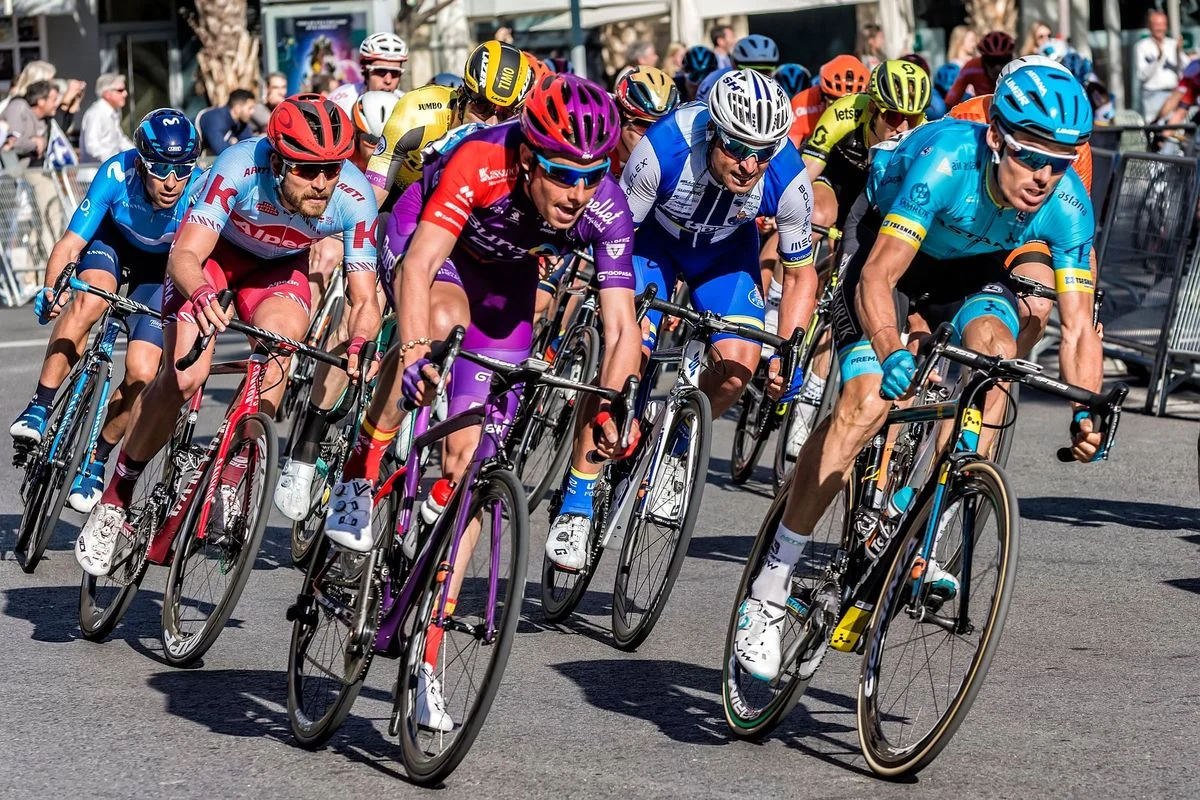
Discussions surrounding the 2026 Tour de France are beginning to emerge, with technological advancements and the increasing impact of summer temperatures identified as key areas of focus for the prestigious cycling event.
As the sport evolves, experts are considering how innovations in bicycle technology could shape future races, while the consistent rise in European summer temperatures is prompting a re-evaluation of racing protocols and even spectator behaviour.
Background
The Tour de France, one of cycling’s most iconic and demanding events, traditionally takes place during the height of the European summer. This timing, while popular for spectators, increasingly brings challenges related to extreme heat. Concurrently, the competitive nature of professional cycling drives continuous innovation in equipment, with manufacturers and teams constantly seeking technological edges.
Technological Innovations
Looking ahead to the 2026 race, BikeRadar predicts that several technological trends will significantly influence performance and strategy. The publication identifies ‘5 Tour de France tech trends’ that are expected to dominate. Among these are advancements related to ‘weight-weenie aero’ designs, focusing on ultra-lightweight and aerodynamically efficient components. Furthermore, the development of ‘extreme heat hacks’ is anticipated, suggesting specialized equipment or strategies designed to mitigate the effects of high temperatures on riders and their bikes during the race. These insights underline the ongoing pursuit of marginal gains in professional cycling, where even small technological advantages can prove decisive.
Adapting to Rising Temperatures
The increasing frequency and intensity of summer heatwaves across Europe are presenting significant challenges for outdoor sporting events, and the Tour de France is no exception. Cyclingnews explores what the future of the race might look like “as summer temperatures continue to rise.” The article discusses several potential adaptations to address the impact of extreme heat on rider safety and race conditions. These include the implementation of a ‘high temperature protocol’, which would likely involve specific guidelines and measures to be taken when temperatures reach critical levels. Other suggestions include ‘switching dates’ for the race to cooler periods of the year, or altering the daily schedule to allow for ‘racing in the morning’ when temperatures are typically lower. These considerations reflect a proactive approach to ensuring the welfare of competitors in an increasingly warmer climate.
Beyond the riders, the impact of heat extends to those watching the race. Cycling Weekly, in an article titled “As Europe broils, should we reconsider how we spectate at bike races – not least the Tour de France?”, raises questions about spectator behaviour and safety in high temperatures. The publication suggests that it might be necessary to “reconsider how we spectate” at major events like the Tour de France, implying potential adjustments to ensure the well-being of the large crowds that gather to watch the race.
FAQ
- Q: What technological advancements are predicted for the 2026 Tour de France?
- A: According to BikeRadar, the 2026 race is expected to feature “5 Tour de France tech trends,” including developments in ‘weight-weenie aero’ designs and ‘extreme heat hacks’ to combat high temperatures.
- Q: How might the Tour de France adapt to rising summer temperatures?
- A: Cyclingnews suggests potential adaptations such as implementing a ‘high temperature protocol’, ‘switching dates’ for the race, or conducting ‘racing in the morning’ to avoid peak heat.
- Q: Are there considerations for spectators regarding extreme heat at the Tour de France?
- A: Yes, Cycling Weekly raises the question of whether “we should reconsider how we spectate at bike races – not least the Tour de France” as Europe experiences increasingly hot summers.
What this means for you
For cycling enthusiasts and casual observers in Edinburgh, Scotland, and across the UK, these discussions highlight the dynamic nature of professional cycling. The continuous evolution of bike technology means that future Tour de France races could feature even faster, more efficient, and perhaps visually different equipment. Simultaneously, the proactive measures being considered to adapt to extreme weather conditions aim to ensure the safety and continuity of events like the Tour de France, making them sustainable for future generations to watch and enjoy, whether through television broadcasts or in person. These developments reflect a sport that is constantly innovating and adapting to both technological progress and environmental realities.
