
Introduction to the Shrewsbury Fire
The Shrewsbury fire has drawn significant attention from residents, local authorities, and the wider public, highlighting the serious impact that fire incidents can have on communities. Fires, whether occurring in residential, commercial, or industrial settings, pose immediate risks to life, property, and infrastructure. The incident in Shrewsbury has prompted questions about safety, emergency preparedness, and the resilience of local services when faced with sudden and dangerous situations.
Overview of the Incident
Reports of a fire in Shrewsbury led to a rapid response from emergency services, with firefighters attending the scene to contain and extinguish the blaze. While details can vary depending on the location and cause, such incidents often involve complex challenges, including smoke spread, structural risks, and the need for swift evacuation. Local authorities prioritised public safety, ensuring that affected areas were secured and residents were kept informed as the situation developed.
Emergency Services Response
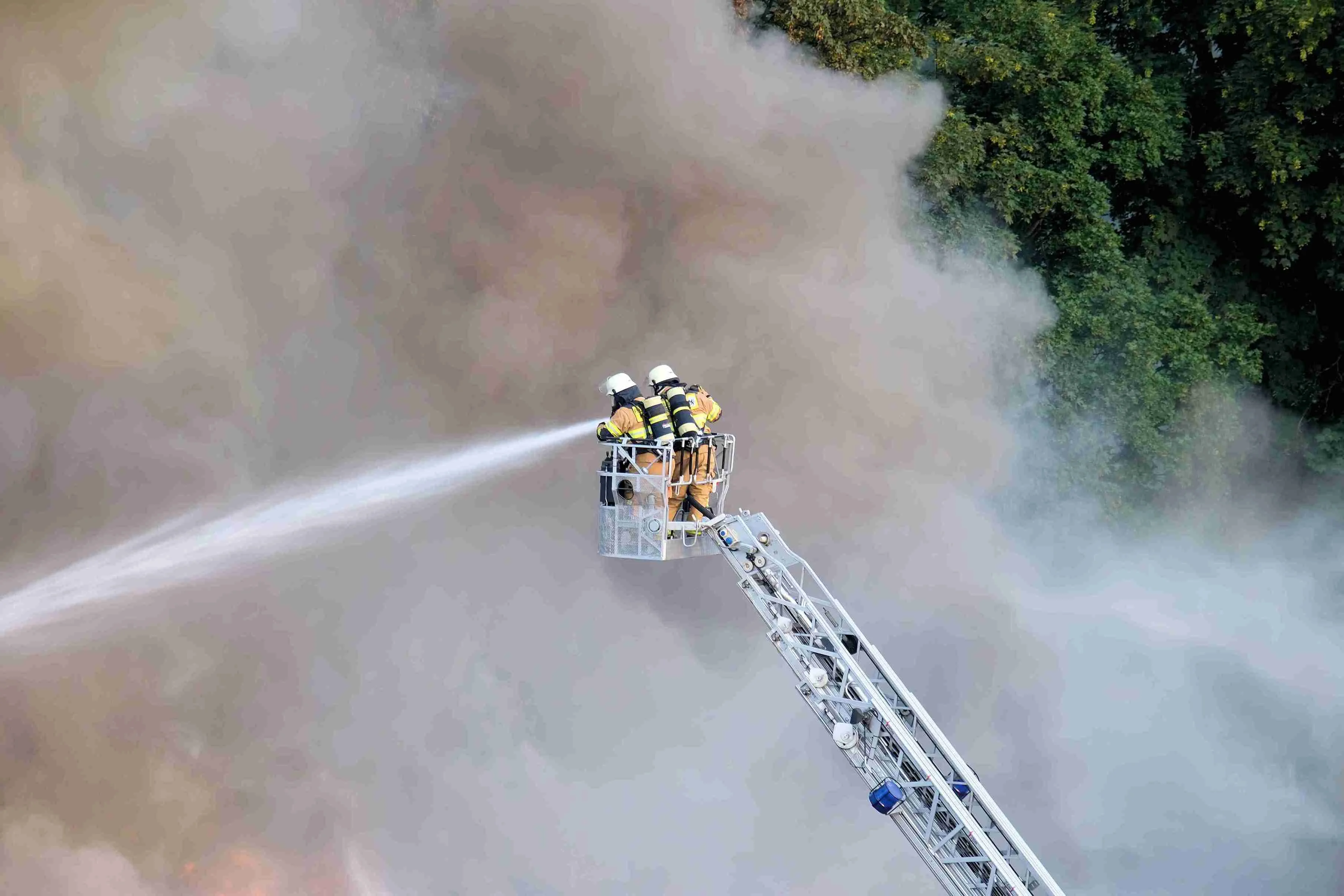
Fire and rescue services play a crucial role in managing incidents like the Shrewsbury fire. Crews are trained to assess risks quickly, deploy appropriate equipment, and work under intense pressure. In this case, firefighters worked to prevent the fire from spreading to nearby buildings while coordinating with police and ambulance services. Road closures and safety cordons were commonly put in place to allow emergency teams to operate effectively and reduce further danger.
Impact on Local Residents and Businesses
Fires can have a profound effect on those living and working nearby. Residents may be displaced temporarily, while businesses can suffer damage, disruption, and financial loss. The Shrewsbury fire has served as a reminder of how quickly daily life can be interrupted by unexpected emergencies. Community support, including temporary accommodation and local assistance, often becomes vital in helping those affected recover in the immediate aftermath.
Possible Causes and Investigations
Following any significant fire, investigations are typically carried out to determine the cause. Fire investigators examine the scene once it is safe, looking for evidence that may explain how the blaze started. Causes can range from electrical faults and accidental ignition to deliberate acts. Establishing the cause of the Shrewsbury fire is important not only for accountability but also for preventing similar incidents in the future.
Fire Safety Measures and Prevention
Incidents such as the Shrewsbury fire underline the importance of fire safety awareness. Smoke alarms, fire extinguishers, and clear evacuation plans can significantly reduce the risk of injury or loss of life. Local fire services regularly encourage residents and businesses to carry out safety checks, maintain electrical systems, and understand emergency procedures. Prevention remains one of the most effective ways to minimise the impact of fires.
Community Response and Support
In the wake of fire incidents, communities often come together to offer support. Neighbours, local organisations, and charities may provide food, shelter, or financial assistance to those affected. The response to the Shrewsbury fire reflects the strength of community spirit in times of crisis. Acts of kindness and cooperation play a key role in helping individuals and families cope with the emotional and practical challenges that follow such events.
Role of Local Authorities
Local councils and authorities are responsible for coordinating recovery efforts after a fire. This includes assessing damage, ensuring buildings are safe, and supporting residents through housing or welfare services. Communication is essential, as clear and accurate information helps reduce uncertainty and anxiety. The Shrewsbury fire has highlighted the importance of preparedness and coordination between emergency services and local government.
Lessons Learned from the Incident
Every fire incident provides valuable lessons for both authorities and the public. Reviewing response times, safety measures, and communication strategies helps improve future preparedness. The Shrewsbury fire serves as a reminder that fire risks exist in all communities and that ongoing education and investment in emergency services are essential. Learning from such events can lead to improved safety standards and stronger resilience.
Conclusion
The Shrewsbury fire has had a significant impact on the local area, bringing attention to the realities of fire emergencies and the importance of swift response and community support. While investigations continue and recovery efforts move forward, the incident reinforces the need for fire safety awareness and preparedness. By understanding the risks and working together, communities can better protect themselves and respond effectively to future emergencies.
