
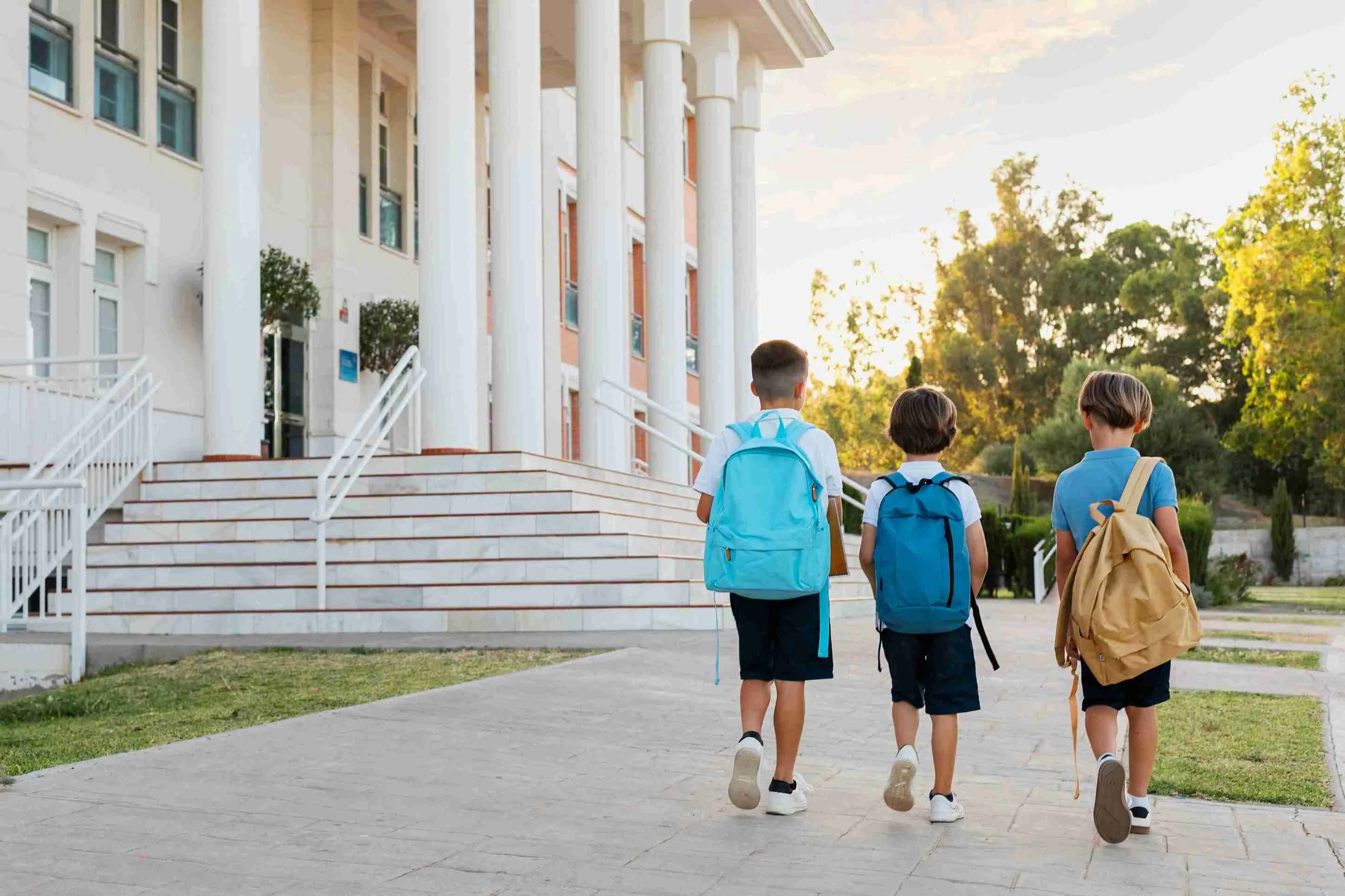
School closures are a complex and multifaceted issue affecting students, teachers, and communities worldwide. From planned holidays to emergency shutdowns, closures can disrupt education, social development, and local economies. Understanding why schools close, their effects, and strategies for coping is essential for parents, educators, and policymakers alike.
Reasons for School Closures
Schools close for a variety of reasons, ranging from scheduled events to unexpected emergencies. Common causes include:
Weather-Related Closures
Severe weather, such as snowstorms, hurricanes, or flooding, often forces schools to shut down temporarily. Weather-related closures prioritize student and staff safety but can impact the academic calendar and delay curriculum completion.
Health and Pandemic-Related Closures
Illness outbreaks, such as influenza or COVID-19, have led to unprecedented long-term school closures. These closures aim to prevent the spread of disease but require alternative learning solutions to ensure continuity of education.
Infrastructure Issues
Damage to school buildings, whether from maintenance problems, fires, or structural concerns, can lead to temporary closures. In such cases, schools may relocate students or implement remote learning until facilities are safe to use.
Teacher Strikes and Labor Disputes
In some instances, teacher strikes or labor disputes result in school closures. These events highlight tensions between educational authorities and staff over pay, working conditions, or policy changes. While closures are temporary, they can significantly disrupt learning schedules.
Government Mandates and Policy Decisions
Occasionally, government policies, security threats, or civil unrest may prompt schools to close. These closures are often preventative measures intended to protect the well-being of students and staff.
Impact on Students
School closures affect students academically, socially, and emotionally.
Academic Challenges
Interrupted learning can hinder curriculum progression, delay assessments, and impact student performance. Younger children may struggle more with gaps in learning, while older students preparing for exams may face increased stress and reduced preparation time.
Social and Emotional Effects
Schools provide essential social interaction. Closures can disrupt friendships, extracurricular activities, and support systems. Prolonged closures may contribute to feelings of isolation, anxiety, or depression among students.
Impact on Families
Families also feel the effects of school closures. Parents may need to adjust work schedules, find childcare, or support remote learning. For some households, closures create financial strain, particularly when parents are unable to work due to childcare responsibilities.
Impact on Teachers and Staff
Educators face challenges maintaining continuity of instruction. Transitioning to remote learning requires technological proficiency, lesson adaptation, and increased communication with students and parents. Staff may also experience stress from uncertainty regarding schedules, workloads, and student engagement.
Community and Economic Consequences
School closures ripple through communities, affecting local economies. Parents staying home to care for children reduce workforce availability, impacting businesses and public services. Additionally, school closures can affect school meal programs, leaving vulnerable students without access to nutritious meals.
Coping Strategies During School Closures
To mitigate the negative effects of closures, schools and communities implement various strategies.
Remote Learning and Digital Platforms
Technology enables continuity of education through online classes, video lessons, and digital assignments. Platforms such as Google Classroom, Zoom, and Microsoft Teams facilitate interaction between teachers and students, though access to devices and internet connectivity remains a challenge for some families.
Parental Involvement
Parents play a vital role in supporting learning at home. Establishing structured routines, supervising assignments, and providing encouragement helps students stay engaged. Effective parental involvement can alleviate academic and emotional stress during closures.
Community Support Programs
Community organizations often step in to provide resources, including tutoring programs, food assistance, and childcare services. These initiatives help offset the broader impact of school closures on families.
Policy Interventions
Governments and educational authorities may implement policies to reduce the disruption caused by closures. These can include extending school years, adjusting curricula, or providing supplemental learning resources. Clear communication from authorities ensures families understand expectations and available support.
Preparing for Future Closures
Proactive planning is essential to minimize the negative impact of school closures. Schools can develop emergency response plans, maintain digital learning platforms, and train staff for remote instruction. Building resilience among students and families ensures smoother transitions when closures occur unexpectedly.
Lessons Learned from Recent Closures
The COVID-19 pandemic highlighted the importance of adaptability in education. Schools that had prepared for remote learning fared better, while communities lacking resources faced greater challenges. Lessons from recent closures emphasize the need for equitable access to technology, mental health support, and flexible instructional strategies.
Conclusion
School closures, whether planned or unexpected, affect every aspect of the educational ecosystem. Understanding the causes, impacts, and strategies for coping can help students, families, and educators navigate these disruptions effectively. Proactive planning, strong community support, and adaptive learning solutions ensure that education continues, even in the face of unforeseen challenges.
