
Introduction
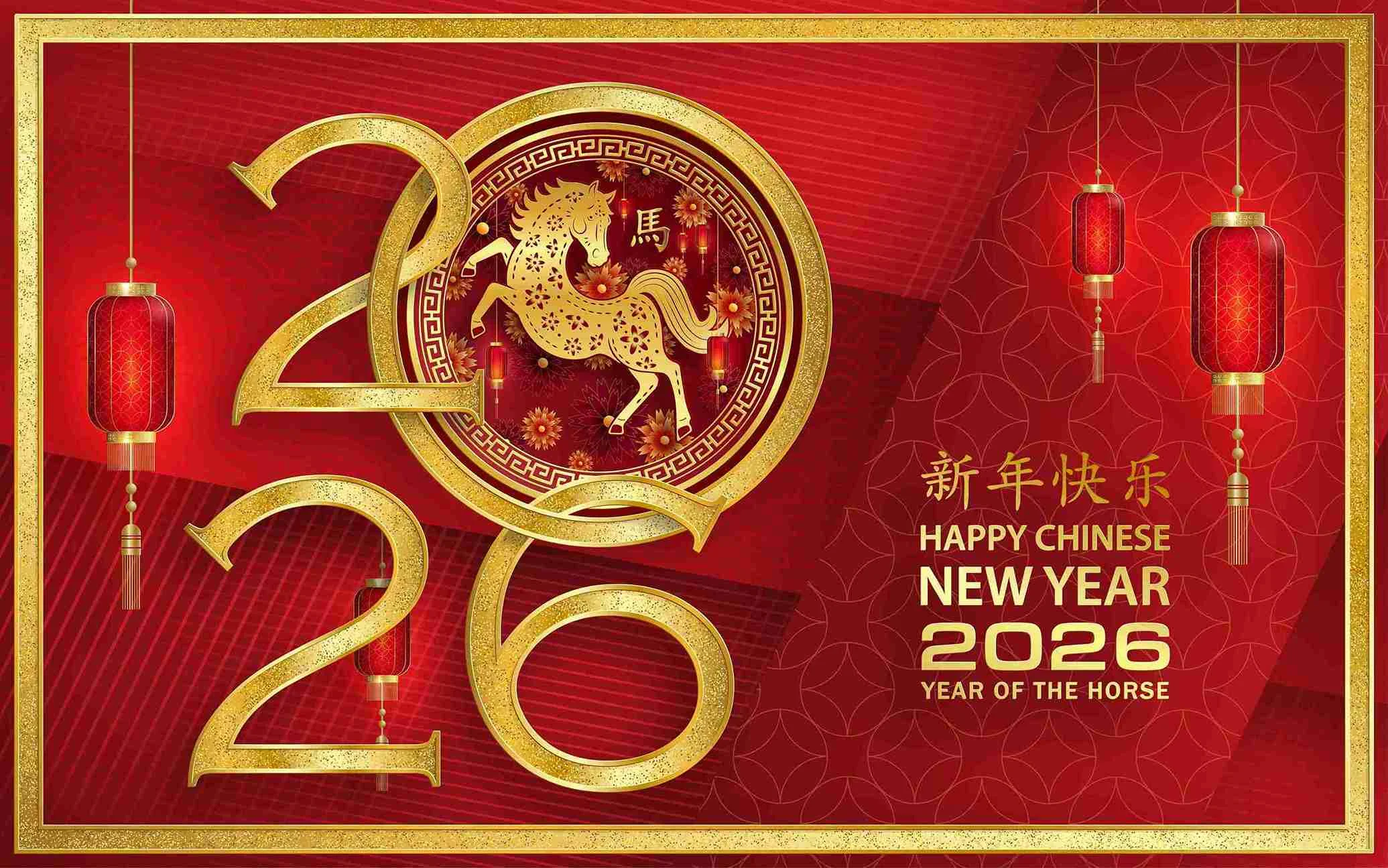
Chinese New Year 2026 marks the beginning of the Year of the Horse, a symbol of strength, freedom, and passion in Chinese astrology. Also known as the Lunar New Year, this festival is the most significant celebration in Chinese culture, observed by millions across the world. It is a time for family reunions, honoring ancestors, and participating in vibrant festivities that showcase centuries of tradition and cultural heritage.
The Significance of the Year of the Horse
In the Chinese zodiac, the horse represents energy, enthusiasm, and perseverance. People born in the Year of the Horse are believed to be intelligent, ambitious, and adventurous. The Year of the Horse encourages individuals to embrace challenges, pursue their goals with determination, and maintain a positive, independent spirit. Understanding the zodiac sign of each year is central to Chinese culture, influencing celebrations, decorations, and even personal fortunes.
Dates and Duration of Chinese New Year 2026
Chinese New Year in 2026 will begin on Sunday, February 1, and celebrations traditionally last for 15 days, culminating in the Lantern Festival. Each day has its own customs and significance, starting with the New Year’s Eve reunion dinner and ending with lantern displays and community festivities. This period is marked by family gatherings, cultural performances, and rituals intended to bring luck and prosperity for the year ahead.
Traditional Customs and Practices
Chinese New Year is rich in customs designed to invite good fortune and ward off misfortune. Key traditions include cleaning and decorating homes, where families thoroughly clean their homes to sweep away bad luck and make space for positive energy. Red decorations such as paper lanterns, couplets, and images of horses are used extensively because red symbolizes luck and happiness.
Family reunion dinners are held on New Year’s Eve, where families come together for a lavish meal featuring traditional dishes like dumplings, fish, rice cakes, and spring rolls. This meal is an essential ritual, emphasizing family unity and honoring ancestors through offerings.
Giving red envelopes, or Hongbao, containing money is a common practice. These are given to children and unmarried adults to wish them luck and prosperity, reinforcing the value of generosity and the transfer of positive energy across generations.
Fireworks and lion dances are common during Chinese New Year, believed to scare away evil spirits. Colorful parades, music, and performances create a lively atmosphere and draw communities together in celebration.
Special Foods and Their Symbolism
Food plays a central role in Chinese New Year, with each dish carrying symbolic meaning. Dumplings symbolize wealth and prosperity. Fish represents abundance and surplus. Glutinous rice cakes, or Nian Gao, signify growth and success. Spring rolls indicate wealth and good fortune. These dishes are carefully prepared and shared to reinforce cultural values and blessings for the new year.
Cultural and Regional Variations
Chinese New Year traditions vary across regions. In northern China, dumplings are central to the celebration, while southern regions emphasize rice cakes and seafood dishes. Communities around the world incorporate local customs, blending Chinese traditions with their own cultural practices. Parades, lantern displays, and cultural performances often reflect regional diversity, making Chinese New Year a globally celebrated festival.
Modern Celebrations and Global Influence
In recent years, Chinese New Year has expanded beyond China, celebrated by Chinese communities worldwide. Cities like London, New York, and Sydney host spectacular parades, cultural shows, and street festivals. Social media and technology allow families separated by distance to connect virtually, share greetings, and maintain traditional practices. Modern celebrations often combine classic customs with contemporary entertainment, attracting diverse audiences and increasing cultural awareness.
Lantern Festival and Closing Ceremonies
The 15-day celebration concludes with the Lantern Festival, a visually stunning event featuring lantern displays, dragon dances, and mooncakes. Families gather to light lanterns and release them into the sky, symbolizing the hope for a bright and prosperous future. This closing ceremony reinforces the themes of unity, community, and cultural continuity.
Superstitions and Etiquette
Chinese New Year is guided by a rich set of beliefs and etiquette. Avoiding negative words and arguments helps maintain harmony. Wearing new clothes, often red, signifies renewal. Paying off debts before the new year allows a fresh start. Observing these customs is believed to enhance good fortune and maintain family harmony throughout the year.
Astrological Insights for 2026
The Year of the Horse emphasizes action, courage, and independence. Those born under this sign or interacting with it in business or personal matters may experience opportunities for growth, adventure, and progress. Feng Shui practices are often incorporated during the celebration to optimize the flow of positive energy and attract success in the coming months.
Community Events and Educational Programs
Many communities host educational programs, workshops, and exhibitions to teach the history and significance of Chinese New Year. Schools, cultural centers, and museums showcase traditional crafts, music, and dance, fostering cross-cultural understanding and engagement. These initiatives help preserve traditions while allowing younger generations to connect with their heritage.
Conclusion
Chinese New Year 2026 promises to be a celebration full of color, music, and cultural richness. The Year of the Horse brings renewed energy, ambition, and optimism, while age-old traditions continue to connect families and communities. From festive meals and red envelopes to fireworks and lantern displays, the holiday offers a blend of spiritual significance, entertainment, and cultural pride. Whether in China or across the globe, Chinese New Year remains a testament to enduring traditions, the joy of reunion, and the hope for prosperity in the year ahead.
