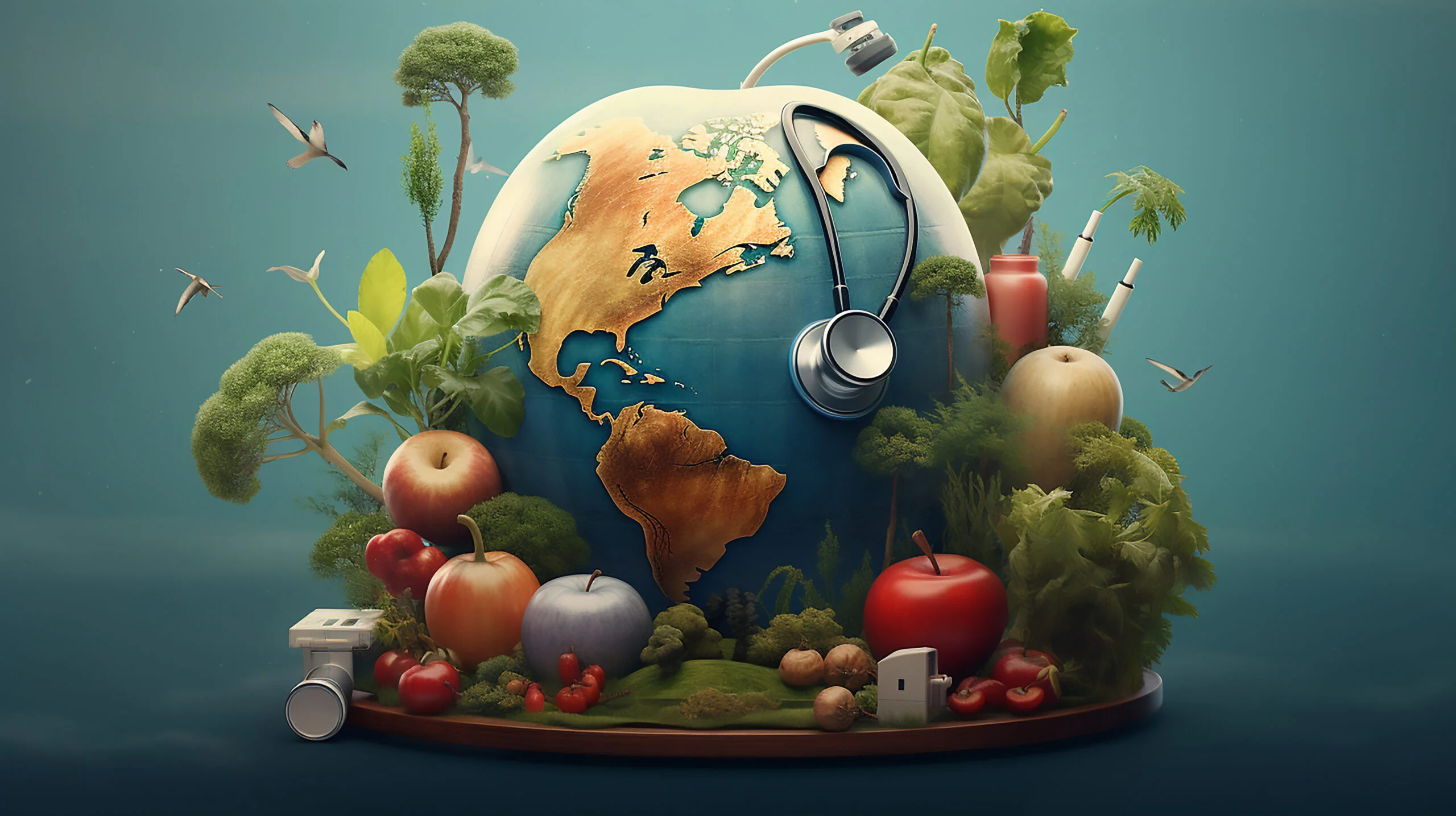
By 2025, global food demand has surged by 30% due to population growth and climate change. Yet, innovation is offering new solutions to one of humanity’s oldest problems—hunger.
AI-powered farming systems now help farmers optimize irrigation, crop rotation, and pest control. Drones and sensors monitor soil conditions, improving yields with minimal waste.
Vertical farms in urban areas are becoming a global phenomenon, allowing food production closer to consumers and reducing transportation emissions.
Organizations like the FAO and World Food Programme are leveraging blockchain for transparent food distribution, ensuring aid reaches the right people.
However, global inequality persists. Political instability and resource scarcity hinder progress in some regions. Experts agree that achieving food security will require international cooperation, technological investment, and a renewed focus on sustainability.

